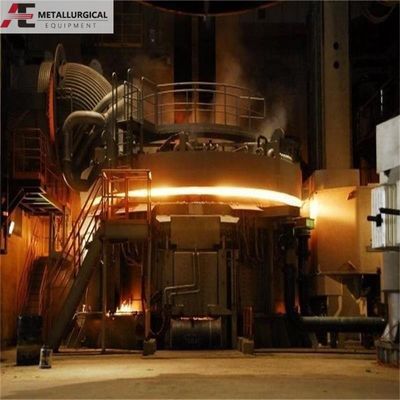
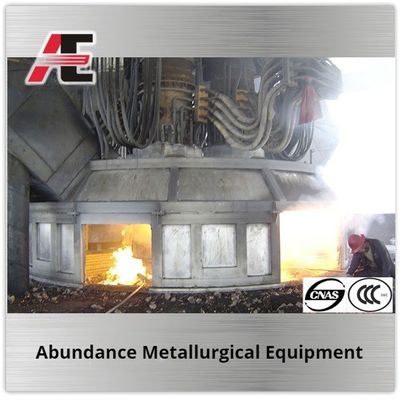
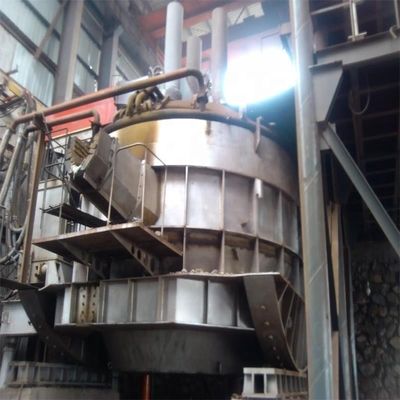
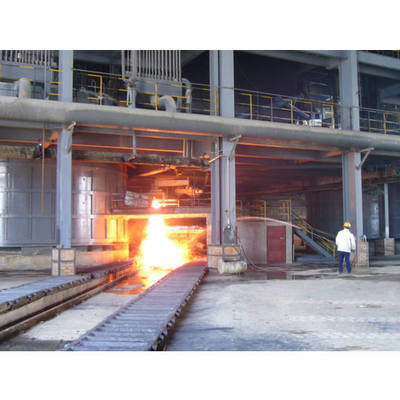
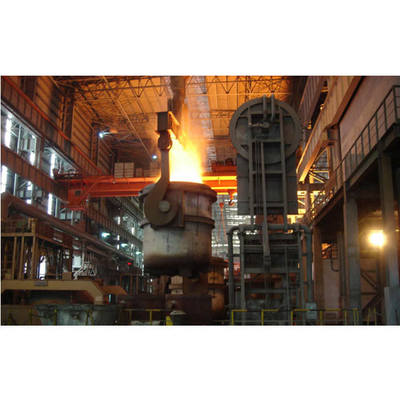
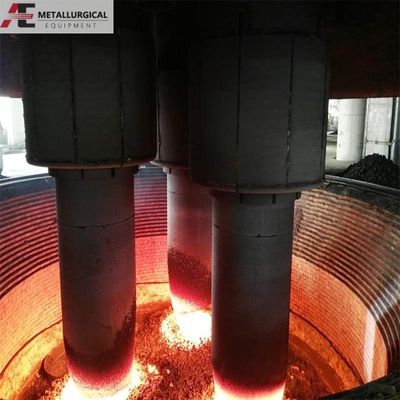
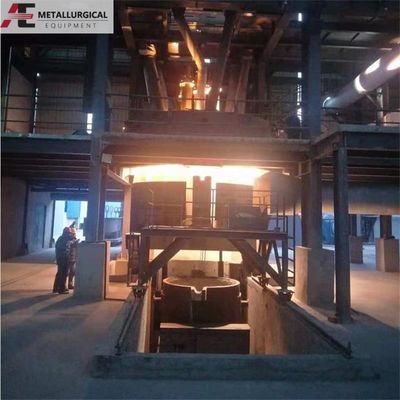
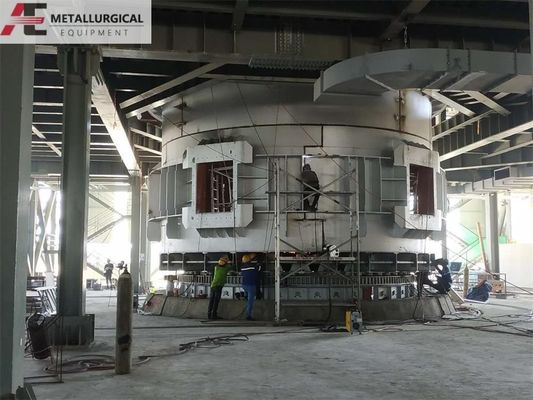
Potada Rafine Fırını (LRF) Özellikleri
Günlük hayatta sık rastlanan bir şey olmasa da, Potada Rafine Fırını modern çelik üretiminin temel taşıdır. İkincil (veya pota) metalurji ekipmanının birincil parçası olarak, yüksek kaliteli çelik üretiminde kritik bir rol oynar. Gelin, temel özelliklerini ve işlevlerini inceleyelim.
Potada Rafine Fırını Nedir?
LRF, temel bir fırında (örneğin, Bazik Oksijen Fırını (BOF) veya Elektrik Ark Fırını (EAF)) ilk üretiminden sonra erimiş çeliği rafine etmek için kullanılan bir kaptır. Temel amaçları, çeliğin kimyasal bileşimini ve sıcaklığını hassas bir şekilde ayarlayarak, nihai döküm işlemine hazırlamaktır.
Temel Özellikler ve İşlevler
1. Ark ile Yeniden Isıtma ve Sıcaklık Kontrolü: LRF'nin birincil işlevi, hassas termal yönetim sağlamaktır. Erimiş çeliği yeniden ısıtmak için elektrik arkları (EAF'ye benzer, ancak tipik olarak daha düşük güçte) kullanır. Bu yetenek:
Isı Kaybını Telafi Eder: Uzatılmış rafinasyon süresi boyunca çelik sıcaklığını korur veya yükseltir.
Alaşımlama Sağlar: Hassas kimya ayarı için özenle hesaplanmış ferroalaşımların ve diğer elementlerin eklenmesini eritmek ve homojenleştirmek için gerekli termal enerjiyi sağlar.
Cüruf Uygulamasını Kolaylaştırır: Kükürt giderme ve inklüzyon modifikasyonu için çok önemli olan sentetik bir cüruf oluşumuna ve bakımına izin verir.
2. Atıl Gaz Karıştırma (örneğin, Argon): Belirleyici bir özellik, entegre gaz karıştırma sistemidir. Argon, pota tabanındaki gözenekli tapalar aracılığıyla erimiş çeliğe enjekte edilir. Bu, çeşitli hayati amaçlara hizmet eder:
Homojenleştirme: Pota boyunca eşit sıcaklık ve bileşim sağlar.
İnklüzyon Giderimi: Metalik olmayan inklüzyonların üstteki cürufa yüzmesini ve emilmesini teşvik eder.
Reaksiyon Geliştirme: Metal, cüruf ve atmosfer arasındaki kimyasal reaksiyonların kinetiğini iyileştirir.
3. Atmosfer Kontrolü ve Vakum Gaz Giderme (İsteğe Bağlı/Entegre): Birçok LRF, sızdırmaz bir çatı ile donatılmıştır veya bir Vakum Gaz Giderme sistemine entegre edilmiştir. Bu şunları sağlar:
Karbonsuzlaştırma: Düşük basınç altında karbonun uzaklaştırılması.
Hidrojensizleştirme ve Azotsuzlaştırma: Hidrojen (kırılmayı önlemek için) ve azot gibi zararlı gazların etkili bir şekilde uzaklaştırılması.
Hassas Oksijen Kontrolü: Optimal nihai özellikler için çeliğin oksijen içeriğinin yönetimi.
4. Alaşımlama ve Bileşim Ayar İstasyonu: İdeal karıştırma koşulları altında kontrollü tel besleme veya toplu alaşım ilaveleri yoluyla katı sınıf spesifikasyonlarını karşılamak için son ayarlamaların yapıldığı hassas bir "kimya laboratuvarı" görevi görür.
5. Sürekli Döküm için Proses Tamponu: LRF, kritik esneklik sağlar ve toplu yönelimli birincil ergitme ile sürekli döküm prosesi arasında bir tampon görevi görerek, doğru ayarlanmış erimiş çeliğin istikrarlı bir şekilde tedarik edilmesini sağlar.
Uygulama ve Önemi
Bu özelliklerden, Potada Rafine Fırınının metalurji, ağır sanayi ve gelişmiş çelik imalatında vazgeçilmez olduğu açıktır. Sıcaklığı, kimyayı ve temizliği hassas bir şekilde kontrol etme yeteneği, otomotiv, inşaat, enerji ve havacılık uygulamalarında kullanılan yüksek kaliteli çeliklerin üretimi için onu vazgeçilmez kılar. LRF, standart erimiş çeliği rafine edilmiş, yüksek performanslı bir ürüne dönüştürür.
Biz profesyonel bir elektrikli fırın üreticisiyiz. Daha fazla bilgi için veya batık ark fırınları, elektrik ark fırınları, potada rafine fırınları veya diğer ergitme ekipmanlarına ihtiyacınız varsa, lütfen bizimle adresinden iletişime geçmekten çekinmeyin.susan@aeaxa.com

 Mesajınız 20-3.000 karakter arasında olmalıdır!